
Your uPVC windows and doors need care over time as seals wear, hinges loosen, locks stiffen and drainage holes clog. You might notice a cold draught, a handle that takes more effort to turn, or a door that catches on its frame.
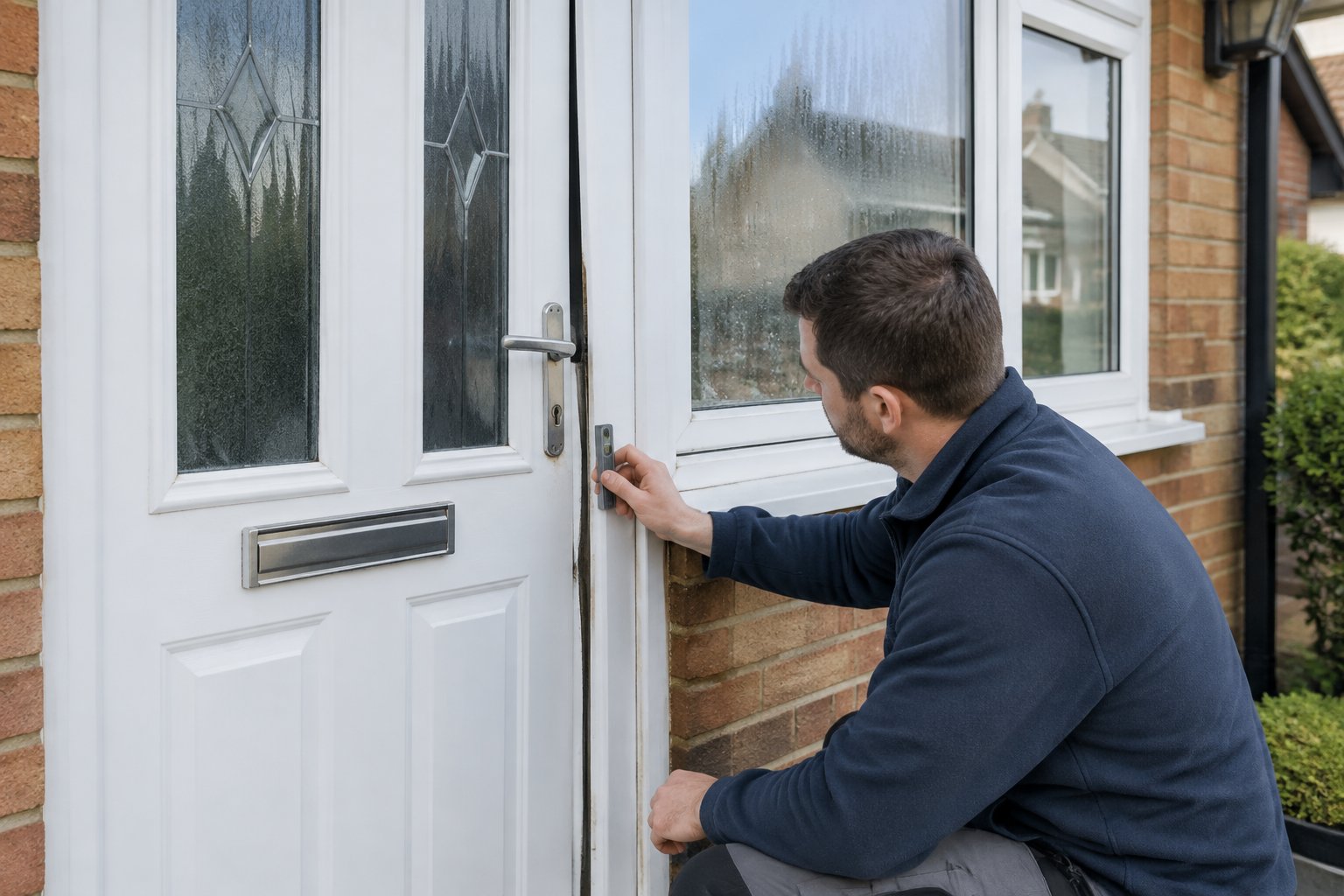
You can tackle some uPVC window problems with cleaning and suitable lubrication. If you spot mist between glass panes, repeated leaks or cracks in a frame, get a professional assessment to find the right repair.
Key Takeaways
- Check your seals, hinges and locks for wear.
- Keep your drainage holes clear and moving parts clean.
- Get expert help for failed glass seals, leaks or damaged frames.
Draughts, Worn Seals and Increased Outside Noise
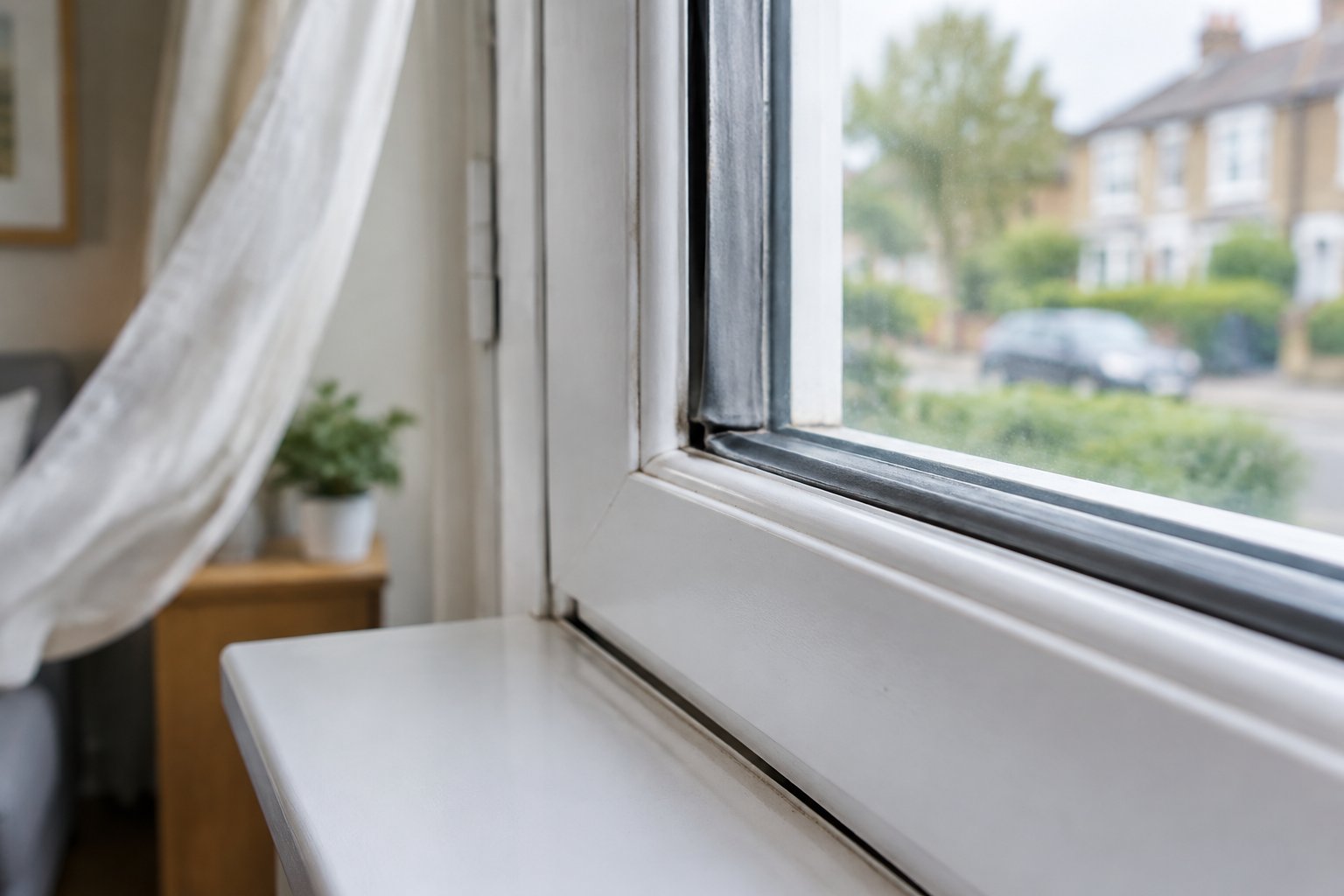
Your uPVC windows and doors rely on close-fitting rubber gaskets to keep out draughts and reduce outside noise. Before paying for new glass, check the gaps, frame alignment and condition of the seals.
Identifying Gaps Around Opening Sashes and Door Frames
You might feel cold air around the opening sash, the moving part of your window, or along your door edges. Check corners, hinges and the threshold for gaps, trapped dirt or loose seals.
Close your window or door on a strip of paper, then gently pull it. Repeat the check around the edges. Paper that slides out easily suggests weak contact at that point, though it’s only a rough guide.
Look for uneven gaps or rubbing marks. If your sash or door catches against its frame, ask a repair specialist to check the hinges and locking points.
Keep trickle vents open for ventilation, and don’t use a flame to trace a draught.
Replacing Perished Rubber Gaskets With Compatible Seals
Check your rubber gaskets for splits, hard patches, flattened areas and sections that have shrunk away from corners. Clean off dirt with mild soapy water, then dry the seals before assessing their condition.
For a replacement, match the gasket’s shape, size and fixing method to your existing seal. Check your frame maker’s guidance or take a small sample to a supplier. An oversized seal makes the window or door harder to close and puts extra strain on the locks.
If your gasket pulls out of a groove, fit the matching replacement without stretching it. Follow the maker’s instructions for corners and joins.
Some frames have built-in seals that need specialist uPVC window repairs, so check how yours attaches before pulling it out.
Distinguishing Poor Sealing From a Need for Acoustic Glazing
If you hear more traffic noise as well as a new draught, check your seals and frame alignment first. Sound can travel through small gaps, including joints between your frame and the surrounding wall.
Compare the noise with your window shut, then gently press the opening sash towards its frame. If the noise drops noticeably, the seal may not be making good contact. Ask a repair specialist to check the fit before ordering replacement glass.
If your seals fit well but the noise is still intrusive, ask about acoustic glazing. It uses features such as laminated glass and different pane thicknesses to reduce sound.
Ask your supplier to assess the whole window, including vents and frame joints, and confirm its tested sound rating.
Windows and Doors That Stick, Drop or Refuse to Close
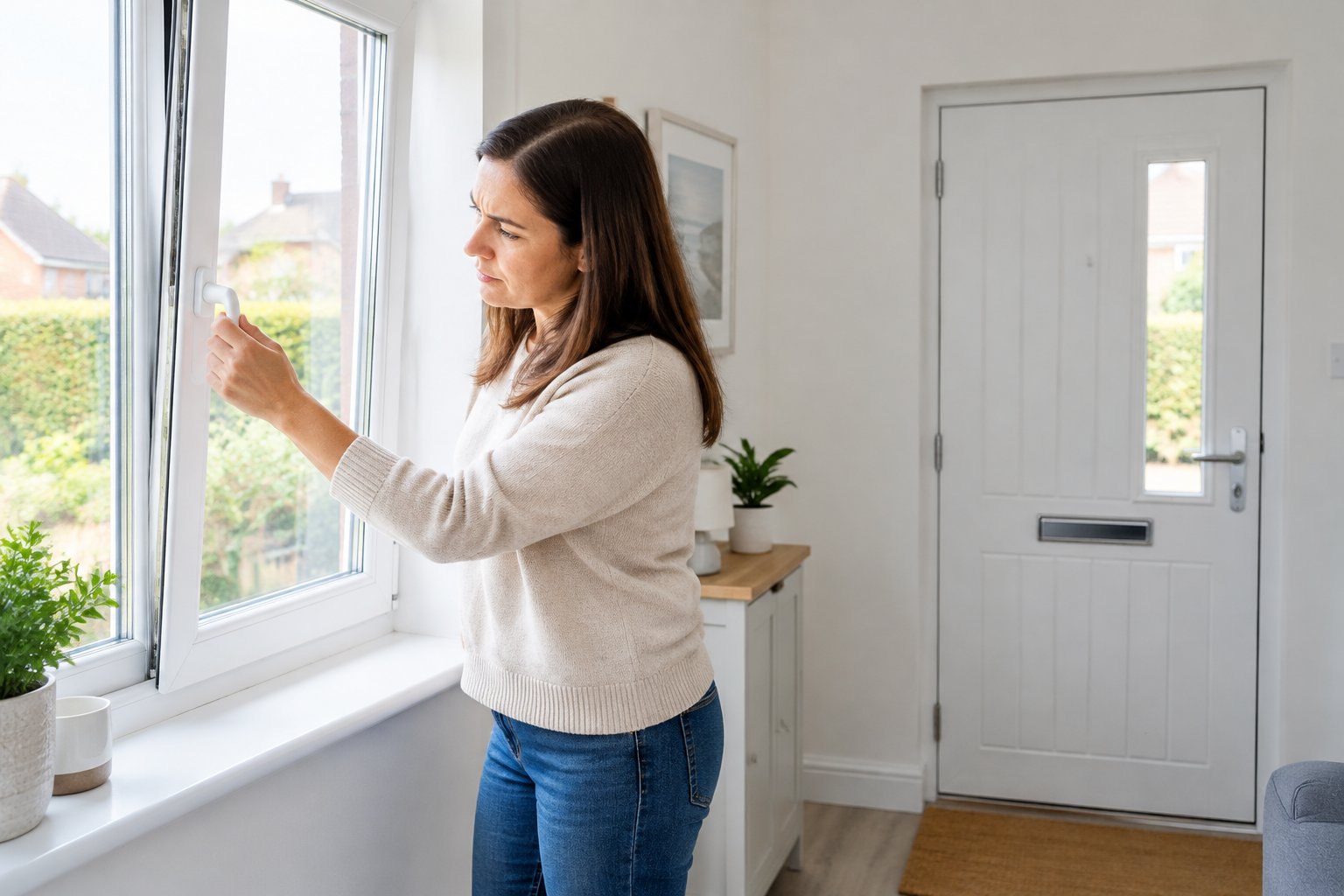
Dirt, heat expansion and worn hinges can make your uPVC windows and doors catch against their frames. Check for blockages and uneven gaps before forcing a handle or adjusting any fittings.
Checking for Dirt, Obstructions and Seasonal Expansion
Open your window or door and inspect the frame, hinges and lower edge. Brush away grit, leaves and small stones, then wipe the surfaces with warm, soapy water.
Check that the rubber seals sit neatly in their grooves. A loose or folded seal can get in the way of closing, so gently press it back into place if it’s undamaged.
Compare how it closes at different temperatures. Sunlight heats uPVC and causes it to expand, so a tight-fitting window or door may stick in hot weather. Check it again when temperatures fall before changing the hinge settings.
Don’t force the handle if it resists. First, check whether the opening panel sits fully against the frame.
Recognising Worn Hinges and Misaligned Sashes
Your sash is the opening part of your window. If it drops, its lower edge may scrape the frame and the gaps around it may become uneven.
Look for these signs when checking your uPVC windows:
- Scrape marks along the bottom edge.
- A corner that stays open when you close the window.
- Loose screws or bent hinge arms.
- A handle that becomes stiff as the lock engages.
Worn window hinges need matching replacements of the correct size and opening type. Keep clear of unsupported opening panels, especially on upper floors.
For your doors, check whether the lock points line up with the metal catches on the frame. If you have to lift the door to lock it, arrange an alignment check.
Knowing When Door Hinges or Glazing Packers Need Professional Adjustment
Some door hinges have adjustment screws that move your door up, sideways or closer to its frame. Settings vary by hinge type, so follow the maker’s instructions before making small adjustments.
Book a repair if your door keeps dropping, catches heavily or needs force to lock. Ask the fitter to check for hinge wear, loose fixings and whether the frame is still square.
Your glazed door also relies on small support blocks called glazing packers. If they shift or don’t provide enough support, the opening panel may sag under the weight of the glass.
A fitter can reposition the blocks to support the glass and restore alignment. Leave glass removal and packing to a trained uPVC window repair specialist who also handles glazed doors.
Stiff Handles, Jammed Locks and Faulty Mechanisms
Loose screws, dropped hinges and worn lock parts can all cause stiff or loose handles. Check alignment, use the right lubricant and arrange repairs promptly if a faulty lock blocks your escape route.
Diagnosing Loose Handles and Misaligned Locking Points
Start by checking whether your handle moves on its base. Gently tighten any loose fixing screws, but don’t overtighten them.
If the base stays firm but the handle spins or droops, you may have a worn spindle, broken spring or failed gearbox.
On your door, check whether the lock works with the door open. If it works open but catches when closed, misalignment is a likely cause. Look for scrape marks where the locking points meet the metal plates on the frame.
For your uPVC window repairs, note whether the handle moves the locking points evenly. Avoid forcing a stiff handle or adjusting hinges you’re unfamiliar with.
Tell your repair specialist where the lock catches and whether lifting the door helps it close.
Cleaning and Lubricating Hardware With Manufacturer-Approved Products
Brush loose dirt from your hinges, locking points and frame plates. Wipe accessible metal parts with a damp cloth, then dry them. Keep water out of your keyholes and gearbox openings.
Check the hardware maker’s instructions before applying lubricant. Different parts need different products:
- Hinges and moving lock parts: use the specified light oil or spray.
- Key cylinders: use only the cylinder maker’s approved product.
- Rubber seals: use a suitable seal treatment if the maker recommends one.
Apply a small amount and wipe away any excess to limit dirt build-up. Avoid cooking oil, grease and general-purpose sprays unless your manufacturer approves them.
If the stiffness continues, arrange a uPVC window repair or door service to check for wear and alignment faults.
Replacing Failed Multipoint Locks and Protecting Escape Routes
Your multipoint lock secures the door or window at several points along its edge. If your handle turns without moving those points, or the lock stays jammed after basic checks, stop forcing it. Extra pressure could break the handle or key.
Ask your repair specialist to identify the failed part and check alignment before fitting replacements. Some faults need a new central gearbox; others need the full locking strip. The replacement must match the existing measurements and locking positions.
Keep your designated escape doors and windows easy to open. Avoid fitting extra locks that could delay escape. If a jammed lock blocks an escape route, seek urgent repair and keep another safe route clear.
After repairs, check that everyone in your home knows how to release the lock.
Condensation, Misted Glass and Damp Reveals
Where moisture collects on your uPVC windows can help you identify the cause. Indoor moisture, failed glass seals and rain leaks need different repairs, and sound frames rarely need full window replacement.
Distinguishing Room-Side, External and Between-Pane Condensation
Check which surface holds the water before arranging repairs. Wipe the inside glass with a dry cloth, then check the outside from a safe position.
- Room-side condensation: Warm, moist indoor air meets cold glass. You might notice droplets after showers, cooking or a night with the bedroom windows shut.
- External condensation: Moisture settles on the cold outer pane of your double glazing. It clears as the glass warms, so it doesn’t need repair.
- Between-pane misting: You can’t wipe away fog trapped inside the sealed gap. This points to a failed glass unit seal.
If your sill becomes wet after rain, check for blocked drainage holes, damaged rubber seals or gaps around the frame. Persistent leaks need a professional inspection.
Managing Indoor Humidity, Ventilation and Cold Spots
Use a humidity meter to check indoor moisture levels. Aim for roughly 40–60% relative humidity, but keep an eye out for condensation during cold weather.
Run your bathroom extractor during showers and for at least 15 minutes afterwards. Use your kitchen extractor when cooking, keep lids on pans, and leave window vents open and clear.
Dry washing outdoors or use a suitable tumble dryer. If you dry clothes indoors, choose a ventilated room and keep the door shut.
Wipe water from the glass and sills each morning. Keep rooms heated consistently, and leave space for air to move behind curtains.
Check damp reveals, the wall surfaces around your window opening. Recurring mould or damp patches call for checks for leaks, insulation gaps and cold spots.
Replacing Failed Sealed Glass Units Without Replacing Sound Frames
If mist remains between the panes, ask a glazing professional to inspect the sealed glass unit. The edge seal keeps moisture out of the gap, and when it fails, damp air can get inside.
You can usually replace this unit while keeping sound uPVC frames. Your installer should check the frame, opening parts, rubber seals and drainage before recommending any work.
Ask for replacement glass that matches your window’s size, thickness and safety needs. Glass in doors and certain low-level windows needs suitable safety glazing.
Your installer should support the new unit correctly and check that the window or door closes properly. Avoid drilling misted glass as a lasting repair, since that leaves the failed seal unresolved.
Consider full window replacement if your frames are seriously damaged or distorted.
Water Leaks Around Frames, Sills and Door Thresholds
Blocked drainage slots, cracked sealant and worn rubber gaskets can let rainwater reach your indoor sill or floor. Clear accessible debris, check the seals, and arrange an inspection if leaks return or damp spreads.
Checking Drainage Channels and Clearing Accessible Debris
Your uPVC frames have drainage channels that carry rainwater outside. If dirt, leaves or insects block the outlets, water can collect in the frame and spill onto your indoor sill.
Open your window or door and check the lower frame for drainage slots. Some outlets sit behind small covers on the outside face. Check the manufacturer’s care instructions before removing any covers.
- Lift out loose debris with a soft brush.
- Wipe the frame channel with a damp cloth.
- Keep tools away from rubber gaskets.
Pour a small amount of clean water into the drainage channel and see whether it flows outside. Never drill extra holes or push sharp tools deep into the frame. Arrange help if the blockage is beyond easy reach.
Identifying Failed Perimeter Sealant and Threshold Seals
Check the sealant where your frame meets the wall and sill. Look for splits, gaps or edges that have pulled away from the brickwork. Even small openings can admit wind-driven rain.
Inspect your door’s bottom seal and the rubber gaskets around the opening. Look for tears, flattened sections and loose corners. Dirt along the threshold can also stop seals making firm contact, so clean the area before checking the fit.
Keep drainage outlets clear when sealing gaps. Covering them traps water inside the frame.
If sealant has failed, ask your installer or repairer to remove the damaged material and prepare the joint before applying a suitable replacement. For worn gaskets, use a matching seal profile. A poor fit can affect how your door closes.
Getting Persistent Leaks and Surrounding Damp Professionally Assessed
Arrange professional uPVC window repairs if water returns after you clear accessible drainage slots. Ask for an inspection if your door threshold leaks repeatedly or you find soft timber, swollen flooring or damp plaster.
Record where water first appears, the rainfall level and wind direction. Take photos during the leak and after the area dries. Those details can help your repairer trace the route.
Ask them to check frame alignment, sill slope, threshold joints and nearby brickwork. Water entering above your window can travel through the wall before showing up beside the frame.
If the units were recently fitted, contact your installer and check your guarantee before paying for repairs. Report spreading damp promptly to limit further damage.
Discolouration, Scratches, Cracks and Warped Frames
Gentle cleaning can remove surface dirt, while faded finishes and deep scratches need specialist treatment. Cracks at welded corners, loose fixings and distorted frames need careful checks to protect your window or door’s fit and security.
Separating Surface Staining and Fading From Material Deterioration
Start by washing a small patch of your frame. If the colour improves, surface dirt explains at least some of the staining. Yellowing or fading that remains after cleaning may reflect lasting changes from sunlight and weather exposure.
Check your uPVC windows and doors for chalky surfaces, brittle edges and spreading cracks. Compare exposed areas with sheltered parts of the frame to spot uneven wear. Colour changes alone aren’t much of a reason to choose window replacement.
For light scratches, use only a repair product approved for your frame’s finish. Ask a specialist to assess deep scratches and chips for colour-matched filling. If your frames have a woodgrain or coloured film, avoid polishing them; rubbing can damage the coating.
Cleaning uPVC Without Abrasives or Harsh Solvents
Clean your frames with warm water, mild washing-up liquid and a soft cloth. Loosen grit first so you don’t drag it across the surface. Rinse away the soap and dry with a clean cloth, including around corners where dirty water collects.
Avoid scouring pads, abrasive powders, acetone and paint thinners. These products can scratch, soften or dull your frame’s surface. Check the maker’s care instructions before using a specialist uPVC cleaner, especially on coloured or film-covered frames.
Test any approved cleaner on a hidden patch first. Use gentle pressure, and stop if colour transfers to your cloth or the finish changes. If stains remain, ask your supplier about suitable treatments before trying stronger chemicals. Keep drainage slots clear as you clean.
Assessing Cracked Welds, Distortion and Loose Frame Fixings
Inspect your frame’s welded corners and the areas around hinges, locks and fixing screws. A crack that opens when you move the window or door needs professional assessment. Don’t cover it with filler before someone checks the cause.
Check for these warning signs:
- Uneven gaps around the opening section.
- Rubbing or catching when you close it.
- Movement between your outer frame and the wall.
- Screws that turn without tightening.
If your frame looks warped, worn hinges or poor alignment may explain the uneven fit. Book a uPVC window repair assessment, and don’t force the handle or adjust frame fixings yourself.
Ask the repairer whether adjustment or replacement parts will restore a secure closure. Severe distortion, failed corner joints or widespread cracking may justify window replacement.
A Practical Preventative Maintenance Schedule
Clean your uPVC windows and doors monthly, check seals and moving parts every six months, and inspect for leaks and draughts before winter. Report repeated faults early to limit further wear.
Routine Cleaning of Frames, Tracks, Vents and Thresholds
Each month, wipe your frames with warm water, mild washing-up liquid and a soft cloth. Rinse with clean water and dry the surfaces. Avoid scouring pads, solvents and abrasive cleaners, which can damage surface finishes.
Vacuum loose grit from your sliding tracks and door thresholds, then wipe them clean. Dirt in these areas increases friction and makes opening and closing harder. Clean more often if your home faces a busy road or the coast.
Brush debris from accessible drainage slots without pushing it further inside. Keep your trickle vents clear and follow the maker’s cleaning instructions. Don’t remove vent covers unless the instructions allow it, and leave designed drainage openings clear.
Periodic Checks of Gaskets, Hinges, Handles and Locks
Every six months, check your rubber gaskets for splits, shrinking and loose sections, especially around corners. Wipe them with mild soapy water, then dry them. Ask your supplier for a matching replacement if a seal has hardened or torn.
Open and close each window and door to check for stiffness, scraping or uneven gaps. Check your handles for looseness and gently tighten accessible fixing screws. Stop if a screw turns without gripping; the fixing needs attention.
Lubricate your hinges and locking points with the product your manufacturer recommends. Wipe away any excess to prevent dirt build-up. Follow separate instructions for lock cylinders, and don’t force a stiff handle or adjust hinges without guidance.
Seasonal Inspections and Early Reporting of Recurring Faults
Before winter, check your closed windows and doors for draughts, damaged seals and loose fittings. After heavy rain, inspect the inside edges and sills for water. Clear accessible drainage slots, and arrange an inspection if leaks return.
In spring, check for wear after colder weather. Note any change in how your doors close during warm spells, and report repeated sticking. Don’t force locks when the frame and opening no longer line up.
Record recurring uPVC window problems with dated photos and notes about the weather. Contact your installer or repair specialist if adjustments fail, glass develops mist between the panes, or your locks stop securing properly. Keep service records and check your warranty before arranging repairs.
Choosing Between DIY Repairs, Professional Help and Replacement
You can handle basic cleaning and care, while glass, hinge and locking faults call for specialist skills. Check the frame’s condition, your warranty and itemised repair costs before deciding on replacement.
Setting Safe Limits for Home Maintenance
Keep your DIY work to low-risk tasks: clear loose dirt from tracks, wipe seals with mild soapy water and clear accessible drainage slots. Use the lubricant your manufacturer recommends, and keep oil-based products away from rubber seals unless they’re approved.
Avoid forcing stiff handles or tightening screws without checking their purpose. You could damage the lock or pull screws loose from the frame. Follow the maker’s instructions for any small adjustment, and stop if the fitting resists.
Book professional uPVC window repairs for dropped opening sections, broken hinges, faulty locks or cracked glass. Leave heavy door adjustments and work at height to trained fitters. If your window won’t stay open safely, keep it closed until someone repairs it.
Comparing Component Repairs, Glass Replacement and Complete New Units
Ask your repairer to identify the failed part. If the frame is sound, your uPVC window repair might involve replacing a handle, hinge, seal or locking mechanism. Compare the full cost, including labour and parts.
Mist between the panes points to a failed sealed glass unit in your double glazing. A glazier can replace the unit and keep the frame if it’s still sound. Check where the moisture sits, since condensation on the room-side surface needs a different response.
Consider replacing the complete window when the frame has serious cracks, distortion or insecure fixings that make a lasting repair unlikely. Apply the same checks to doors. Before ordering new units, ask the fitter to check the installation and nearby wall for causes of repeated leaks.
Checking Warranties, Itemised Quotes and Repair Guarantees
Check your paperwork before removing parts or booking work. Your cover might treat glass, hardware, frames and installation separately. Ask the original installer whether the fault qualifies and whether outside repairs could affect your cover.
Request itemised quotes that separate:
- Replacement parts and glass specifications.
- Labour, call-out fees and VAT.
- Removal, disposal and making-good costs.
Ask whether the quote includes matching handles, trims and finishes. For new units, confirm the opening style, ventilation and glazing specification before you agree.
Get your repair guarantee in writing, including its length, exclusions and claims process. Check whether it covers both parts and labour, and who pays for a return visit if the fault comes back.
Frequently Asked Questions
Worn hinges, damaged seals and faulty locks can affect how your uPVC windows and doors work. Moisture between glass panes points to a failed glazing seal, while gaps around the frame let in draughts.
Why are my uPVC windows and doors difficult to open or close?
Your window or door may stick because of dirt, dry hinges, loose fittings or temperature changes. A dropped opening section can also make it harder to close and lock.
Clean the frame and apply a suitable lubricant to moving parts, following the maker’s instructions. Don’t force the handle. If the sticking continues, ask a repair specialist to check the alignment.
What causes draughts around uPVC windows and doors?
Draughts can come from worn rubber seals, loose hinges or gaps between the frame and wall. Poor alignment can also leave gaps when you close the window or door.
Check the seals for cracks and gaps, then see whether the opening section closes evenly. Replace damaged seals and arrange repairs for loose fittings or gaps around the frame.
Why is there condensation between the panes of my double-glazed uPVC windows?
Moisture between the glass panes means the sealed glass unit has failed. Damp air enters the space and forms droplets or mist as the glass cools.
Ask a glazing specialist to inspect the unit. You can usually replace the sealed glass unit and keep the existing frame if it’s in good condition.
How can I fix a faulty lock or stiff handle on a uPVC window or door?
Check whether the handle moves freely with the window or door open. If it works when open but sticks when closed, poor alignment may be the cause.
Gently tighten loose handle screws and use only a lubricant approved for your lock or fittings. Keep oil out of the keyhole unless the lock maker recommends it.
Stop if a handle or key jams rather than forcing it. Ask a repair specialist to check a lock that won’t engage or secure your window or door.
What causes uPVC doors to drop or become misaligned?
Your door’s weight puts pressure on its hinges over time. Loose screws, worn hinges, poor fitting or movement in the building can cause it to drop or shift.
Look for rubbing along the bottom edge or uneven gaps around the door. A specialist should adjust the hinges and check the locks; incorrect adjustments could damage the fittings.
When should the rubber seals on uPVC windows and doors be replaced?
Replace your seals when they crack, split, shrink or lose their shape. Persistent draughts or water coming in around the edges can also point to damage.
Clean dirty seals with mild soapy water, then check them once they’re dry. Make sure replacement seals match the shape and size of your frame so the window or door closes properly.